A Local Business Guide to Hosting a Successful Pop-Up Shop or Market Stall
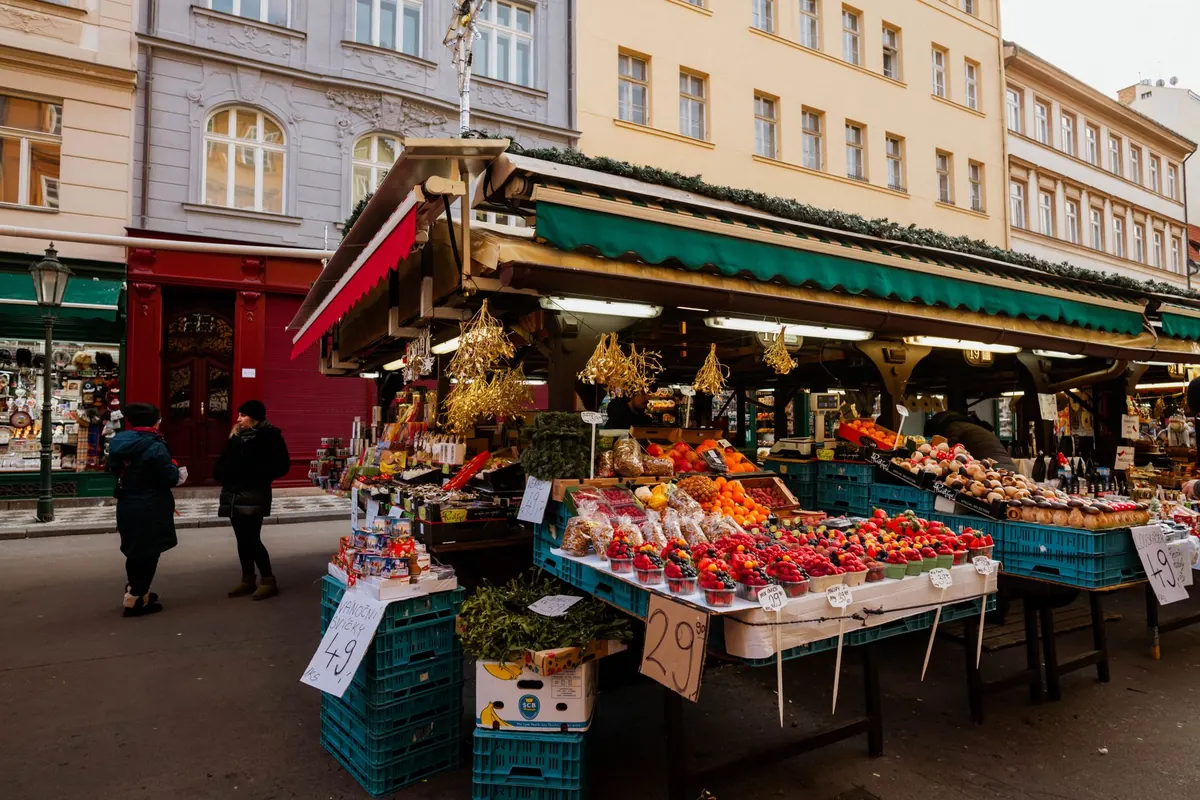
A market stall is the cheapest market research a small business can buy. One day, one table, and you find out from real faces and real money whether anyone wants what you make. It is also exhausting, and most of the work happens before you unload the car. Get the preparation right and the day itself stays straightforward.
Choose a Pitch Where Your Customers Already Are
Footfall is the wrong number on its own. A town-centre market with thousands of Saturday shoppers can be a dud if they are all buying lunch and heading home. A specialist food market with a fraction of that traffic can be your best day of the month if the people there actually cook. Ask what the crowd is like, not just how many turn up.
Before you pay for a pitch, ask the organiser:
- How many traders attend, and what do they sell? You want a mix, not three stalls selling your thing.
- What is the pitch size, and is there room behind it for a chair, a box and a helper?
- Is there vehicle access for loading, and until what time?
- Is power available, and what does it cost?
- What happens if it rains — cancelled, moved indoors, or refunded?
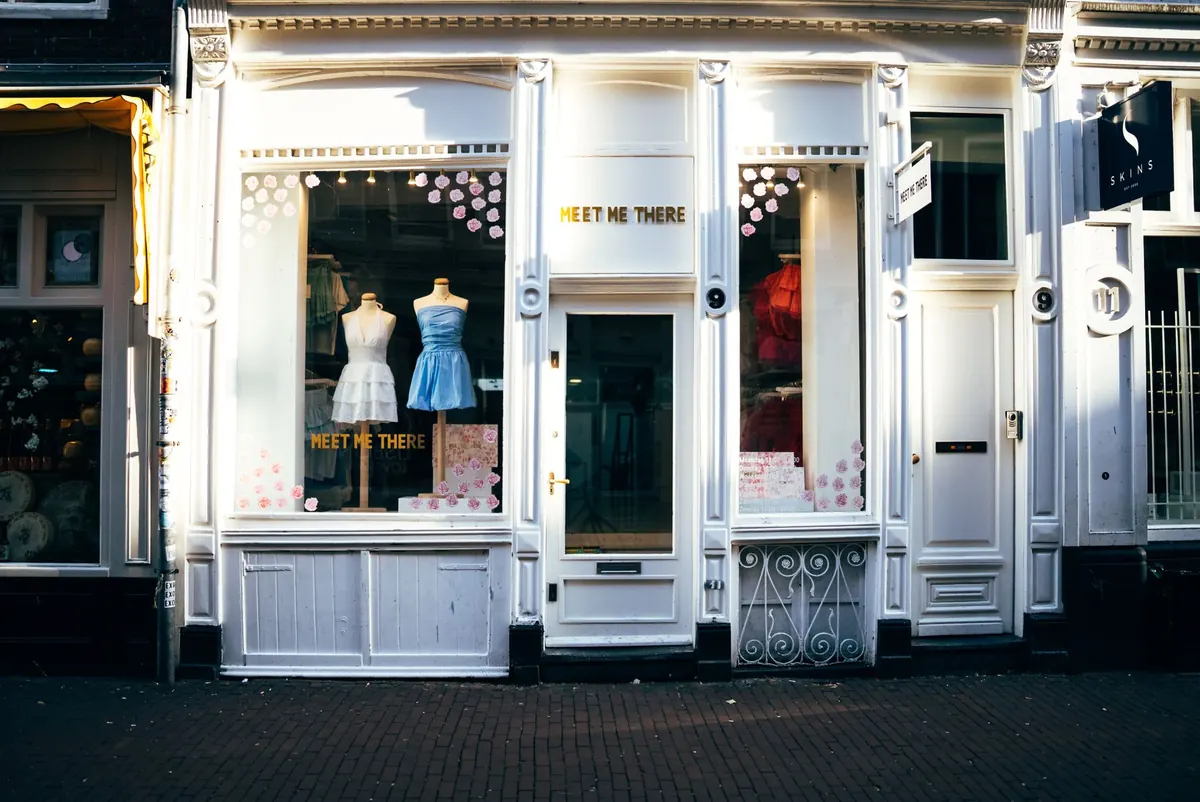
If nothing local fits, you can create your own pop-up: a village hall, a shared space, or a short arrangement with a shop that has a quiet corner. Whatever you choose, think about where you stand in relation to the flow of people. The entrance side is usually busier than the far corner, and a pitch beside a queue or a coffee stand gives you a captive audience.
Permits, Insurance and the Paperwork Nobody Enjoys
At a well-run market, the organiser holds the trading permission for the site and covers you under it. That is not always the case. Depending on where you trade and what you sell, you may need street trading consent, a pavement licence, landlord permission, or a food business registration with your local council. Food stalls also have to consider allergen information, temperature control and hygiene training. Selling alcohol or playing recorded music brings its own licences.
Rules differ between councils, and between England, Scotland, Wales and Northern Ireland. Ring your local authority's licensing team and ask what applies to you — ten minutes on the phone prevents a wasted weekend. Where food safety, insurance or licensing could affect your legal position, take proper professional advice rather than trusting a forum thread.
Most organisers also ask for public liability insurance, so check the level they require and keep a copy of the certificate on your phone. Then test your card reader before you leave the house, pack a power bank, and carry enough cash to make change.
Price for a Single Day, Not a Full Year
Online, a sale costs you packaging and postage. At a market, every sale carries a share of the day: the pitch fee, fuel, parking, card fees, and the hours you spend standing there.
Say the day costs you £60 all in and you expect to sell 40 jars. That loads £1.50 onto every jar before you count ingredients. Sell only 25 and it becomes £2.40 each. Price for the realistic scenario, not the hopeful one.
A few habits that hold up:
- Use round price points that are easy to make change for.
- Offer a bundle. "Two for £X" usually moves more stock than a percentage off, and clears the table faster.
- Keep each product line to about three options. Too much choice slows people down.
- Carry one inexpensive item so a curious visitor can buy something small and remember you.
- Hold your price until the last hour, then discount openly if it saves you packing stock back into the car.
Lay Out the Stall So People Stop and Stay
Most stall mistakes are height mistakes. Laid flat on a tablecloth, good products look like a car boot sale. Raise them to eye level using crates, a box under a cloth, or a small shelf, and keep the back of the table clear so the display can breathe. Then add a reason to stop: a clear price, a one-line sign about who made it, and a sample if it is edible. People read a stall in about three seconds, so the top half of your display should answer "what is this?" and "how much?" without them having to ask.
Leave a gap at the front for browsing, and never block it with your own body. If you have the space, put a small demo or a tray of samples slightly to one side — it gives people an excuse to pause without feeling watched. A chair is useful, but standing is better when someone slows down. Sit when it is quiet, stand when it is busy.
It is easier to sell to someone who has already stopped than to shout at someone walking past. Your job is to make stopping feel easy.
Work the Pitch Like a Conversation
A market is not a shop. People are not coming to you with a task; they are drifting, curious, and often a little shy about being sold to. The stallholders who do well are rarely the loudest. They are the ones who make eye contact, smile, and ask a simple question.
Try openers that invite a reply rather than a yes or no:
- "Have you tried this before?"
- "Are you shopping for yourself or for a gift?"
- "What do you usually cook with something like this?"
Then listen. If someone says they are just looking, let them look. A friendly "Take your time — I'm here if you have questions" keeps the door open. If they pick something up, tell them one useful thing about it: where it came from, how it is made, or how to use it. One detail is enough. A lecture loses the sale.
Watch your body language. Arms crossed, head down, or staring at your phone all say "do not disturb." Keep your hands busy tidying, but keep your face up. If you are eating, do it away from the table. If you are with a helper, talk to each other only when no one is nearby — otherwise you look like a private club.
And when someone buys, thank them properly. Ask if they would like to know about your next market or your online shop. That is how a single day turns into a list of people who already trust you.
Pack a Box You Can Carry Alone
The day is long, and you will be tired before it ends. Pack for the worst version of the weather and the busiest version of the crowd. A useful kit includes:
- Your float, in a secure bag you can keep on you.
- A tested card reader, a power bank, and a charging cable.
- Price signs, a marker, and blank cards for last-minute changes.
- Scissors, tape, string, cloths, and a small bin bag.
- Bags or boxes for customers, and a notebook for sales and questions.
- Water, snacks, layers, sunscreen, and a hat.
- Allergen information and any required licences or certificates.
Weigh everything down. A gust of wind will take a lightweight sign, a paper bag, and your best intentions with it. If you sell food, keep hot things hot and cold things cold, and have a plan for hand washing. If you sell fragile items, bring bubble wrap and a box that closes properly. Nothing kills a sale like watching someone drop your product on the pavement.
Measure, Follow Up, and Decide What's Next
Before you pack up, write down three numbers: what you sold, what you spent, and how many people gave you their details. That is your baseline. Next time, you can compare like with like instead of guessing.
Also note the questions people asked. If ten people asked whether you deliver, that is a product decision. If three people asked for a size you do not stock, that is a buying decision. If everyone ignored the same item, that is a pricing or display decision. The market is telling you something — write it down before the feeling fades.
Follow up within a few days. If you collected email addresses, send a short, useful message: thank them, remind them what they bought, and tell them where they can find you next. If you promised to look into a custom order, do it. A small market can build a local reputation faster than months of social media posts, but only if people remember you as the person who did what they said.
Finally, decide whether the market was worth repeating. One bad day is not a verdict. Two bad days at the same pitch, with the same products and the same prices, probably is. Move on, try a different crowd, or change your offer. The point of a pop-up is not to prove you can survive a cold Saturday. It is to find out, cheaply and quickly, what your customers actually want.