7 Marketing Ideas for Independent Shops During the Christmas Shopping Season
By the first week of December, most Christmas spending is already decided. Not paid for, not wrapped, but decided — in someone's head, on a note, in a group chat. That is the window you are working with. Chains buy their way into that decision with billboards and blanket advertising. You cannot outspend them, but you can out-think them, because you know your customers by name and you can change your plans on a Tuesday afternoon.
What follows is a set of tactics that fit a single shop, a shared high street unit or a market stall. None of them need a big budget. All of them need someone to actually do them.
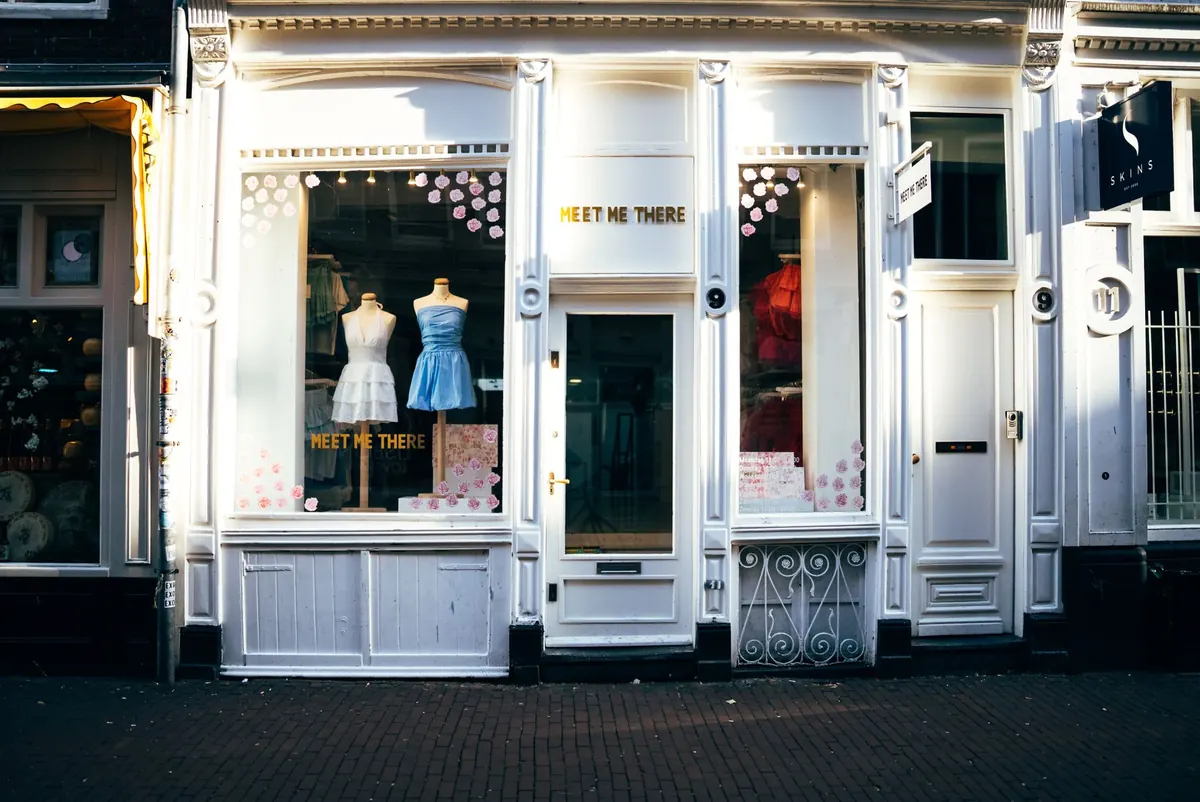
Treat Your Window as Your Cheapest Advertisement
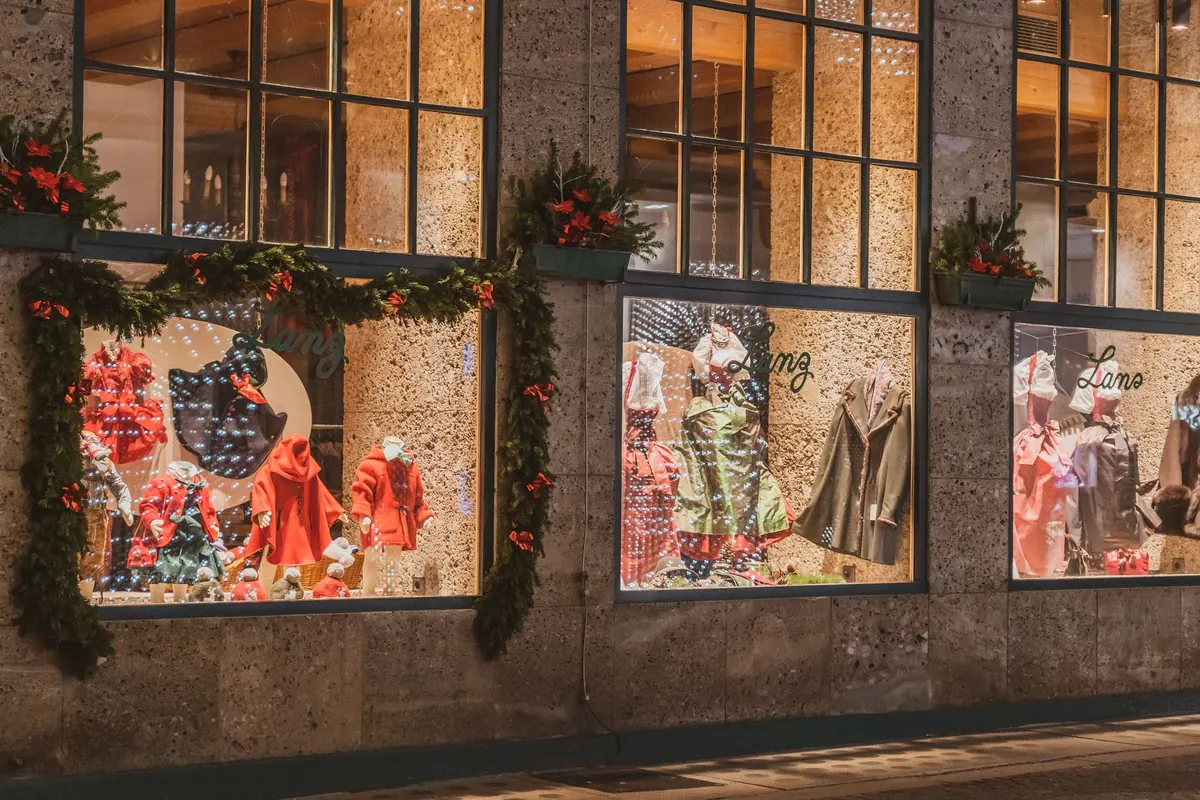
A window is not storage with glass in front of it. It is the only advert most people will see, and they will see it for perhaps four seconds. One idea per window, not twelve. "Presents for people who already have everything" beats a general display of stock, because it gives the passer-by a job to do.
- Put the focal piece at eye level and light it from the sides so the glass does not reflect back at the street.
- Show prices on at least the main items. People who have to come in and ask often do not come in at all.
- Keep the doorway clear. A display that blocks entry costs you more than it earns.
- Change it twice: once at the start of the month, once in the last ten days, when the message shifts from "ideas" to "ready to take away today".
Give People a Reason to Come Out After Dark
Dark evenings kill browsing. A fixed late night — every Thursday until eight, say — rebuilds it, especially if three or four neighbouring shops do the same. One shop open late is a curiosity. A street open late is a night out.
Keep the extras small and repeatable: mince pies, a flask of mulled apple juice, a local choir for forty minutes, a demonstration of something you sell. If you plan to serve alcohol, check your premises licence or speak to the local authority licensing team first. And tell people it is happening — a poster in the window and two posts a week is enough, provided you do it every week so it becomes a habit.
Build a Gift Guide With the Shops Around You
Ten independents within walking distance, each contributing one item and one sentence about it. Print a simple leaflet, share the same content as a page or a set of posts, and have every shop hand it out and link to it. The cost per shop is a few pounds and a couple of hours.
Turn it into a trail if you want more traction. Shoppers collect a stamp from each participating shop; a completed card goes into a draw for a hamper assembled from donated stock. Give everyone an equal slot regardless of the size of their contribution — the point is the shared audience, and that collapses the moment it looks like one shop is running the show.
Look After the People Who Already Know You
Your best Christmas customers are last year's. Pull the list together in November and split it into three groups: regulars, occasional, and lapsed — the ones who bought something in the summer and have not been back.
Send three messages, no more. Early December: a preview of what has arrived, with an invitation to a first-hour regulars' evening. Mid-month: a specific gift suggestion or two, based on what they bought before. Final week: cut-off dates, opening hours, and a clear promise such as "message us and we will put it aside until four o'clock". Keep the tone like a note to a neighbour, not a broadcast.
Fill the Gaps With Local Makers and Services
A spare table near the till is prime retail space. Invite a local jeweller, ceramicist or illustrator to take it for a Saturday. They bring their own customers, who then walk past your shelves on the way in and out. Keep the arrangement simple and written down: dates, what is provided, who handles payment.
Free gift wrapping works the same way. Offer the table to a school group or a local charity, supply the paper and ribbon, and let them collect donations. Shoppers stay longer, spend more, and remember the shop that made the last week easier. Services work too — knife sharpening, a bike check, a coffee cart outside on a Saturday. Give people a second reason to make the trip.
Promote What Only You Can Say
Do not fight on price. Say the things a warehouse cannot: staff who know the stock, proper gift receipts, wrapping while you wait, a straight answer about whether the item will arrive in time, and a reserve-by-message service. Those details close sales.
For promotion, film the shop rather than posting manufacturer images. Short clips of stock being unpacked, a display being built, a customer's finished gift. Local Facebook groups, the parish magazine, the school newsletter and the library noticeboard are cheap and read by exactly the people who walk past your door. If you do spend on advertising, keep it narrow: a small daily budget boosted to a few miles around the shop, concentrated in the last ten days when decisions are actually made.
Plan It in One Afternoon, Then Adjust Weekly
Write down four or five numbers you can actually count — footfall on your late night, average basket value, gifts wrapped, new sign-ups to your list, hampers claimed. Assign one tactic to one person, with a date. Review every Monday in ten minutes: what ran, what got missed, what is worth repeating.
The week between Christmas and New Year is usually wasted, and it need not be. A short thank-you message with your January hours and a small offer costs nothing and brings people back in a quiet month. Then keep your notes. The shops that do Christmas well are rarely doing anything clever — they are doing the same sensible things, earlier and more often than everyone else.
Photo: Castorly Stock / Pexels